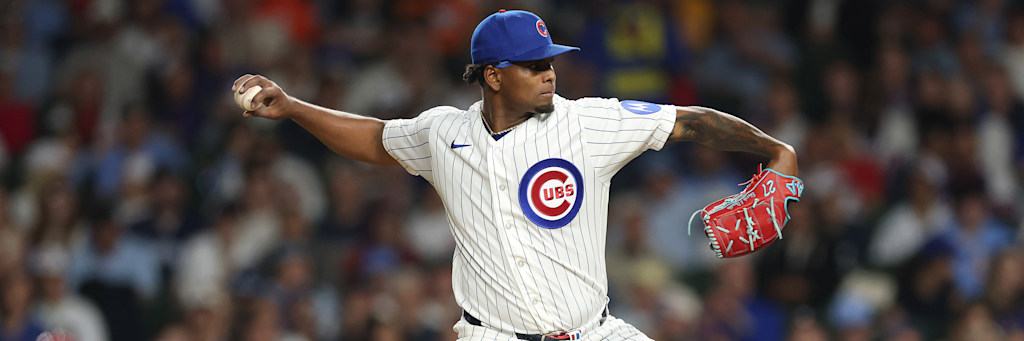
Tuesday's sharp money card runs through two games, and the headliner is a Wrigley Field lay. The Chicago Cubs are -187 on the moneyline against the Colorado Rockies with Edward Cabrera on the bump against Ryan Feltner, and the price is the kind of moderate favorite where the structural inputs justify the chalk rather than fighting it. The Cubs sit at 37-35 and lead the NL Central. The Rockies walk into Wrigley at 27-45, the worst record in the matchup by a wide margin, and they are doing it on the road where their output lags their home number. The second play is a Fenway Park total. The Red Sox host the Blue Jays and the number is Under 7.5, with Dylan Cease carrying an AL-best strikeout rate for Toronto against Payton Tolle and his 2.70 ERA for Boston. The card is the Cubs moneyline at -187 for 3 units and the Red Sox versus Blue Jays Under 7.5 for 1.5 units. Two plays, two different angles, both with the structural reasons stacked the same direction.
Why The Cubs Moneyline -187 Is The Headliner
Minus 187 implies a win probability of roughly 65.2 percent for the Cubs. That is the rate the bettor has to clear after the vig to make the lay pay long term. The structural inputs put the true win probability comfortably above that line. The Cubs are a 37-35 club leading their division and they are at home, where the run-distribution shape and the lineup leverage both tilt their way. The Rockies are a 27-45 team that has been one of the weaker road clubs in the league, and the closing line at -187 is pricing exactly that talent gap without overcooking it into a number that surrenders the value.
The reason -187 is the headliner instead of a pass is the starter pairing. Edward Cabrera has been the Cubs' best starting pitcher in 2026 after arriving from Miami in the offseason, and his arsenal-driven swing-and-miss profile is the kind of front-end starter quality that turns a moderate home favorite into a confident lay. The 3-unit stake is the number the structural edge justifies on a price where the implied probability still leaves daylight against the true win rate. This is not a coin-flip chalk play. It is a strong home club with the better starter against the worst road team in the matchup, and the moneyline is the cleanest way to express it.
Cabrera vs Feltner Is A Real Starter-Quality Gap
Edward Cabrera enters this start at 4-3 with a 4.86 ERA on the season, but the season line undersells the arm. Cabrera has been the most reliable piece in the Cubs rotation since arriving from the Marlins, and his stuff-driven profile produces swing-and-miss at a rate that plays up against a Rockies lineup built more for the thin air of Coors Field than for a road grind at Wrigley. The 58 strikeouts against 23 walks reflect a starter who misses bats and limits the free passes that turn into crooked numbers, which is the exact profile a moneyline favorite wants on the bump.
Ryan Feltner takes the Rockies' side at 2-2 with a 5.20 ERA. Feltner is a serviceable rotation arm, but the gap between his run-prevention profile and Cabrera's stuff is the structural driver of the price. A Cubs lineup that has produced at a division-leading clip gets a Feltner start where the margin for error is thinner than the closing line fully credits. The Cubs do not need a blowout to cash a moneyline. They need a lead through the late innings, and the starter gap pushes the cumulative game-state into a Cubs-lead band more often than the Rockies' road profile can answer.
The Rockies Road Profile At 27-45
The Rockies at 27-45 are the clearest tell on the card. Colorado has been one of the league's weaker clubs in 2026 and the road version of the team is softer still. Wrigley Field is not Coors Field, and a Rockies lineup that leans on its home environment for a chunk of its run output walks into a road park where the ball does not carry the same way. The cumulative road run-distribution shape for Colorado lands under their home number, and that compression is the part of the matchup the -187 price is paying for without overpaying.
What keeps this a 3-unit lay rather than a heavier one is honest accounting of the moneyline variance. Any single MLB game can swing on a bullpen meltdown or a three-run inning, and a -187 favorite still loses better than a third of the time on the math. The 3-unit number respects that the Cubs are the right side without pretending a single-game moneyline is a lock. The structural edge is real and the stake is sized to it.
The Fenway Under 7.5 Behind Cease And Tolle
The second play moves to Fenway Park, where the Red Sox host the Blue Jays and the total is Under 7.5 at a standard price. The driver is the starting pitching. Dylan Cease takes the Blue Jays' side at 3-3 with a 2.91 ERA, and he is doing it with an AL-best strikeout rate that sits above 12.9 punchouts per nine innings. That is a swing-and-miss profile that suppresses the kind of contact that turns into crooked innings, and it is the exact arm a total bettor wants to back when shopping an under.
The Red Sox counter with rookie left-hander Payton Tolle, who carries a 2.70 ERA and has been one of the bright spots in an uneven Boston season. Two starters in the high-2.00s and low-3.00s ERA range, one of them an elite strikeout arm, is the structural foundation of a Fenway under. The number at 7.5 is asking both offenses to combine for eight runs against two pitchers who have been suppressing scoring all season. The Under 7.5 for 1.5 units is the second play, sized smaller than the Cubs lay because a total carries the early-exit and bullpen variance that a single-game moneyline against a 27-45 club does not.
Reading The Blue Jays Over Streak The Right Way
The one caution flag on the under is the Blue Jays' recent scoring run. Toronto has hit the over in 11 of its last 15 games, and a trend like that is exactly what makes a number sit at 7.5 instead of lower. The sharp read is that the recency on the Blue Jays' offense is already baked into the line. The book is not hanging 7.5 by accident with Cease and Tolle on the mound. They are accounting for the Toronto bats and the total is still landing at a number that two sub-3.00-ERA-range starters can hold under.
That is the value. When a public-facing trend pulls a total up and the underlying pitching matchup pulls it back down, the under is the side where the structural reason and the market price diverge. The Blue Jays over streak is real, but it came against a different class of arms than the elite-strikeout Cease and the run-suppressing Tolle. The matchup-specific pitching quality is the input the over streak does not account for, and that is where the Under 7.5 edge lives.
Cubs ML -187 Drivers
- Cubs record: 37-35, 1st NL Central
- Rockies record: 27-45 (road soft)
- Cabrera: 4-3, 4.86 ERA, 58 K / 23 BB
- Feltner: 2-2, 5.20 ERA
Cubs Market Math
- Cubs ML (-187)
- Implied: 65.2 percent
- Edge: home favorite, better starter
- Stake: 3 units
Fenway Under 7.5 Drivers
- Cease: 3-3, 2.91 ERA, AL-best K rate
- Tolle: 3-3, 2.70 ERA rookie LHP
- Fenway total: 7.5 runs
- Stake: 1.5 units
What Beats This Card
- Cabrera early exit, Cubs bullpen leak
- Rockies three-run road inning
- Blue Jays bats continue the over run
- Either Fenway starter pulled early
Bottom Line
The Tuesday card is a two-play read where both sides have the structural reasons stacked the same direction. The Cubs moneyline at -187 is the headliner because a 37-35 division leader at home with the better starter against a 27-45 road club is a moderate chalk price worth laying, and Edward Cabrera over Ryan Feltner is the starter gap that turns the favorite into a 3-unit play. The Fenway Under 7.5 is the second play because Dylan Cease's AL-best strikeout rate and Payton Tolle's 2.70 ERA are a run-suppressing pairing that the Blue Jays over streak does not fully account for, and 1.5 units is the size that respects the total variance. Two games, two angles, one sharp money card.
Frequently Asked Questions
What does the Cubs moneyline -187 mean?
The Cubs moneyline at -187 means a bettor must risk 1.87 units to win 1 unit. The implied win probability at -187 is roughly 65.2 percent, which is the break-even rate after the vig. The lay is the sharp side because the Cubs are a 37-35 home division leader with the better starter in Edward Cabrera against a 27-45 Rockies road club, which projects the true win probability above the implied number.
Why back Cabrera over Feltner at Wrigley?
Edward Cabrera enters at 4-3 with a 4.86 ERA but has been the Cubs' most reliable starter in 2026 with a swing-and-miss profile reflected in his 58 strikeouts against 23 walks. Ryan Feltner sits at 2-2 with a 5.20 ERA. The gap in stuff and run prevention is the structural driver that pushes the cumulative game-state into a Cubs-lead band against a Rockies lineup that leans on its home environment.
Why is the Fenway total Under 7.5 the second play?
Dylan Cease carries an AL-best strikeout rate above 12.9 per nine with a 2.91 ERA for the Blue Jays, and Payton Tolle counters with a 2.70 ERA for the Red Sox. Two run-suppressing starters at Fenway against a total of 7.5 is asking both offenses to combine for eight runs against pitchers who have limited scoring all season. The Under 7.5 for 1.5 units is the side where the pitching matchup and the number diverge.
Does the Blue Jays over streak kill the under?
Toronto has hit the over in 11 of its last 15 games, and that recency is part of why the total sits at 7.5 rather than lower. The streak is already priced into the line. The Blue Jays bats produced those overs against a different class of arms than the elite-strikeout Cease and the run-suppressing Tolle, so the matchup-specific pitching quality is the input the over streak does not account for. That divergence is the under edge.
How are the two plays staked?
The Cubs moneyline at -187 is the headliner at 3 units because the home-favorite structural edge against a 27-45 road club is the most confident side on the card. The Red Sox versus Blue Jays Under 7.5 is the second play at 1.5 units, sized smaller because a total carries the early-exit and bullpen variance that a single-game moneyline against a weak road team does not.
More from Best MLB Handicapper: